
They pose a threat to our pets, our kids, and even us. While most of them are minuscule and often out of sight, they’re one of the most common risks pet owners have to deal with.
They’re the parasite nasties that sneakily find their way to your pet and cause all kinds of disease. The good news is there are many pet parasite preventatives available that will keep you and your pet safe. Choosing the right protection plan can be confusing but our expert vets can guide you in selecting the most appropriate product for your pet.
It’s very important to know your nasties, and when you suspect they’ve infected your pet to get in touch with one of our experts. We’ve included some information below on the most common parasites to watch out for and some things you might not know about them.
Come into clinic to get a parasite
protection plan today!
COMMON CULPRITS/REPEAT OFFENDERS
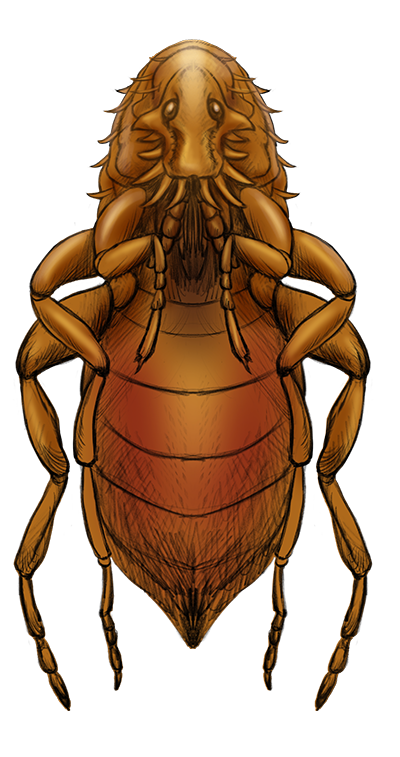
Fleas
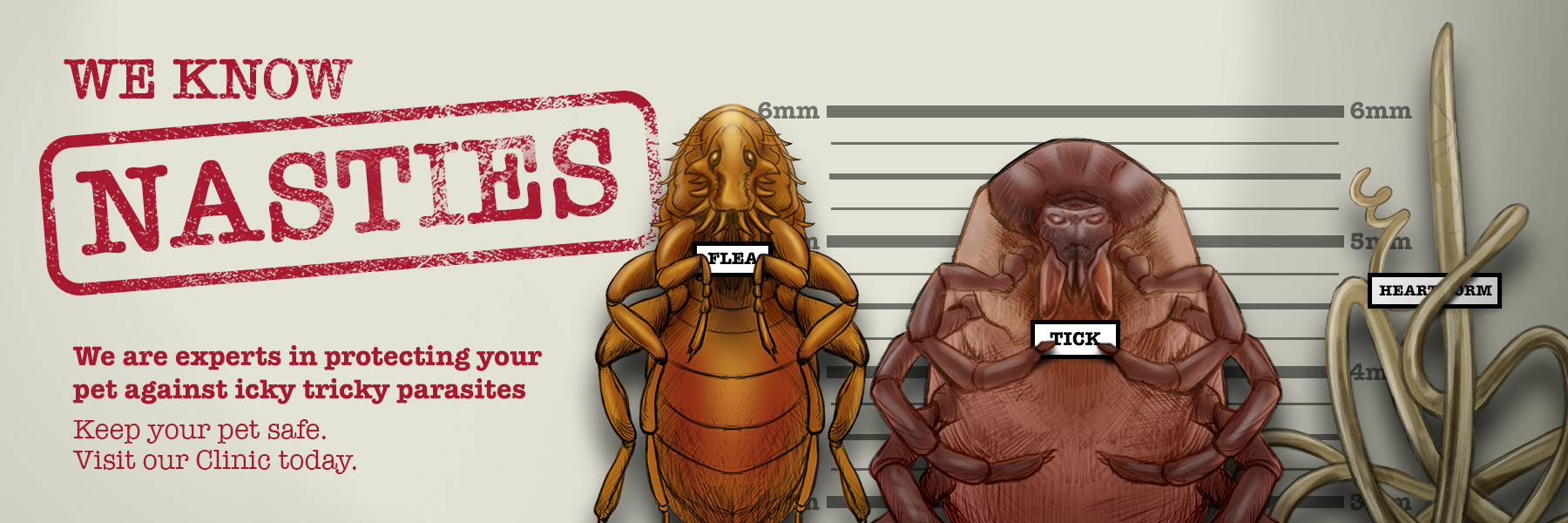
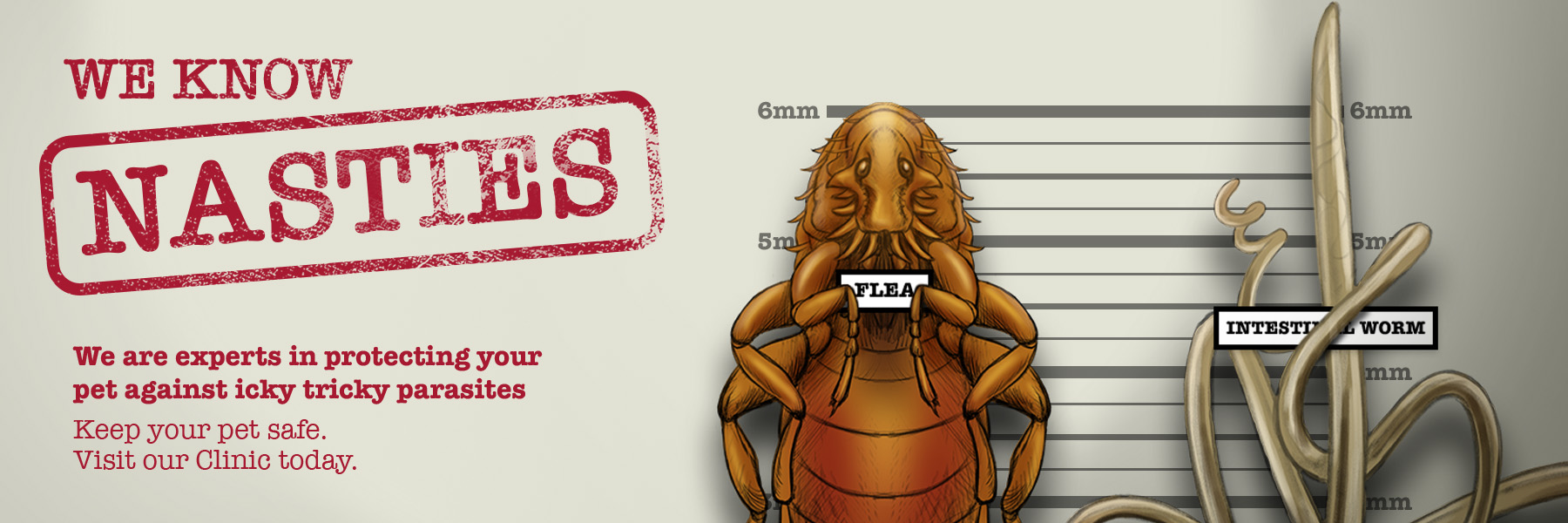
Fleas are one of the most problematic parasites for pets, leading to incessant itching, discomfort, and allergic reactions. They can also transmit diseases and carry tapeworms, posing a dual threat. In addition, they can be challenging to diagnose, and a pet with flea allergy dermatitis may never actually be seen with fleas!
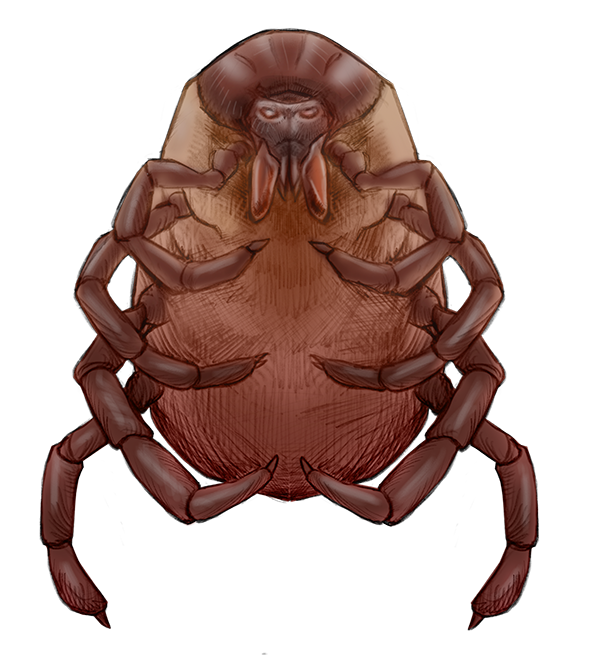
Ticks
There are several types of ticks in Australia, some of which are a nuisance, such as the bush tick, right through to the dangerous Paralysis Tick, which causes many fatalities each year. Paralysis ticks are a common parasite for those living near the eastern seaboard of Australia. It can take as little as one tick bite to result in muscle weakness, respiratory distress and secondary infections.
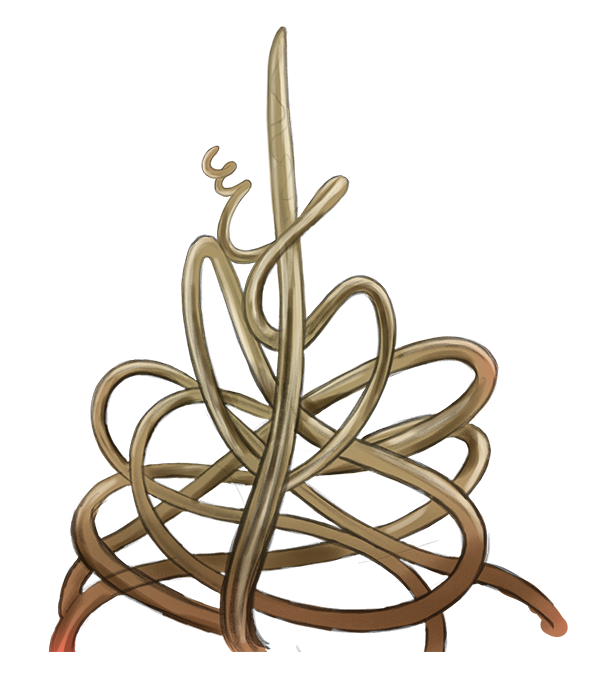
Heartworm and Intestinal Worms
Intestinal Worms
Intestinal worms: affect pets’ digestive systems, causing weight loss, vomiting, diarrhoea and anaemia. The most common intestinal worms in Australia are roundworm, tapeworm and hookworm. Normally pets become infected with intestinal worms by ingesting the eggs of the parasites, which can be found in contaminated soil, faeces, and other sources.
Heartworms: are parasites transmitted by mosquitoes that live in the heart of pets and can cause serious damage to their health, and even death. Heartworm prevention is the best way to ensure dogs stay healthy and free from these parasites. Protection is recommended in most areas of Australia, however, Tasmania is considered low risk. Please consult your vet for heartworm protection recommendations for your pet.
Intestinal worms: affect pets’ digestive systems, causing weight loss, vomiting, diarrhoea and anaemia. The most common intestinal worms in Australia are roundworm, tapeworm and hookworm. Normally pets become infected with intestinal worms by ingesting the eggs of the parasites, which can be found in contaminated soil, faeces, and other sources.
WHAT TO LOOK OUT FOR:
Whilst one of our vets can help you diagnose parasites and associated conditions, you’re their first line of defence as you hang out with them every day. Here are some of the key signs your pet might have a parasite infection:
Scratching and Biting: Intense itching, scratching, licking, or biting at the skin, particularly around the tail base in dogs, and the tail base, thighs, abdomen, head and neck in cats, can indicate a flea infestation.
Hair Loss with Irritated Skin: Patchy hair loss or thinning coat along with inflamed or irritated skin could be due to excessive scratching and grooming caused by fleas or mites.
Visible Parasites: You might see ticks on your pet’s skin, or fleas/ flea eggs on their fur, skin, or in their bedding.
Vomiting and Diarrhoea: Parasitic infections, particularly intestinal worms, can lead to digestive issues such as vomiting, diarrhoea (which may contain blood), and mucus in the stool.
Bloating: Pets (particularly puppies and kittens) with intestinal worms often have a distended abdomen or pot-belly.
Visible Worms: Worms may be visible in the faeces or around the anal area.
Weight Loss: Weight loss despite a normal or increased appetite could be a sign of intestinal worms affecting nutrient absorption or energy metabolism. (Note – there are many other diseases that are more likely to cause weight loss with a normal or increased appetite in adult animals!)
Anal Scooting: Pets might drag their rear end along the ground (scooting) due to irritation caused by tapeworm segments around the anal area.
Sudden paralysis and/or difficulty breathing: Paralysis ticks attach to the skin of pets and inject a toxin into their blood stream that can cause paralysis and respiratory distress. Pets who show these signs need emergency treatment from a vet.
If you see any of these signs or suspect that your cat or dog may have parasites, it’s crucial to come in to see your vet for a proper diagnosis and treatment plan.
Our expert team can help protect your pet.
Come into the clinic today